.png)

Weatherproof Exterior Paint Guide for NWI Homes
A fresh exterior paint job should do more than make your home look cared for. It should form a dependable barrier against moisture, sunlight, temperature swings, and the wear that comes with Northwest Indiana seasons. This weatherproof exterior paint guide explains what actually protects a home, where paint jobs commonly fail, and how to make smart decisions before the first brush or sprayer comes out.
Exterior painting is not just about picking a color. The lasting result depends on the condition of the surface, the coating selected, and the weather during preparation and application. Get those pieces right, and a quality paint system can protect siding, trim, doors, and outdoor structures for years.
What Makes Exterior Paint Weatherproof?
No exterior coating makes a home completely maintenance-free. Weatherproof paint means a properly applied coating system that sheds water, resists fading, flexes with seasonal movement, and slows damage from sun and moisture.
The word system matters. Primer, caulk, surface repairs, and finish coats all work together. A premium paint applied over peeling paint, damp wood, or failed caulk will not perform like it should. On the other hand, careful preparation paired with the right coating gives the paint a sound surface to protect.
For homes in Valparaiso and across Northwest Indiana, the biggest concerns are often rain, snow, freeze-thaw cycles, humid summer days, and strong sun exposure on south- and west-facing walls. Wood expands and contracts. Water can work into unsealed joints. Paint has to accommodate that movement without cracking or letting moisture behind the finish.
Start With the Surface, Not the Paint Color
Before choosing sheen or comparing color samples, inspect the exterior closely. Look for peeling or bubbling paint, soft wood, cracked caulk, open joints, mildew, rust stains, and areas where gutters overflow. These are not cosmetic details. They point to conditions that can shorten the life of a new paint job.
Peeling paint often means the old coating lost its bond, but the cause may be moisture, poor preparation, or incompatible previous coatings. Bubbling can indicate trapped moisture or heat. If wood trim feels soft when gently pressed, it may need repair or replacement before painting. Paint can help protect sound wood, but it cannot rebuild rotted material.
Cleaning is equally important. Dirt, chalking residue, pollen, and mildew prevent paint from bonding well. A professional cleaning process removes contaminants without damaging the siding or forcing water behind it. After cleaning, surfaces need enough time to dry fully before primer or paint is applied.
Pay Extra Attention to High-Risk Areas
Some parts of a home take more punishment than others. Window sills, fascia boards, door frames, porch rails, deck trim, and lower siding near landscaping deserve close inspection. These areas often collect water or receive more direct sunlight.
Caulk also plays a major role. Flexible exterior-grade caulk seals small gaps around trim and penetrations, helping keep rain out of vulnerable joints. It is not a substitute for major repairs, and it should not be used to hide failing wood. Used correctly, though, it is one of the simplest ways to improve weather resistance.
Choose Paint for the Material and Exposure
There is no single best exterior paint for every part of every home. The right product depends on whether the surface is wood, fiber cement, vinyl, aluminum, stucco, masonry, or metal. Each material handles moisture and movement differently.
High-quality acrylic latex paint is a reliable choice for many residential exteriors because it offers good adhesion, color retention, and flexibility. It also allows some water vapor to escape, which can be helpful on wood surfaces. Specialty primers may be needed for bare wood, stained areas, rusty metal, or surfaces that have been repaired.
Vinyl siding calls for particular care. Dark colors can absorb heat and may cause some vinyl panels to warp if the product is not approved for that use. Brick and masonry require breathable coatings designed for mineral surfaces. Metal railings or doors may need rust-inhibiting primer before a protective topcoat.
Color affects durability, too. Deep, dark shades can look sharp, but they absorb more heat than lighter colors. That does not automatically make them a poor choice. It does mean product selection, surface condition, and sun exposure should be considered carefully. A shaded north-facing wall and a sunny west-facing wall do not face the same conditions.
Weatherproof Exterior Paint Guide: Timing Matters
The paint can only perform well if it is applied under suitable conditions. Exterior paint labels list temperature and moisture requirements for a reason. Painting just before rain, during heavy humidity, or onto a surface that has not dried can lead to flashing, poor adhesion, blistering, or early peeling.
A clear forecast is helpful, but crews also watch the surface itself. Morning dew can leave siding damp even when the sky is bright. Late-afternoon storms can interrupt proper drying. Temperatures may look acceptable during the day but fall too low at night for a coating to cure correctly.
Spring, summer, and early fall can all offer good painting windows in Northwest Indiana. The best timing depends on the forecast, the side of the house being painted, and the condition of the exterior. A careful contractor adjusts the work plan rather than rushing paint onto a surface because the calendar says it is painting season.
Avoid the Rush Before Bad Weather
Homeowners sometimes notice peeling paint right before winter and feel pressure to coat everything immediately. That is understandable, but applying paint in poor conditions can create a bigger repair later. If the weather window is too tight, it may be wiser to address urgent water-entry points, make needed repairs, and plan the full painting project for a more reliable stretch of weather.
The same goes for power washing. Cleaning is necessary, but washing a home one day and painting it the next is not always enough. Drying time varies based on siding material, shade, humidity, and how much water reached seams and trim.
Preparation Is Where Long-Lasting Results Begin
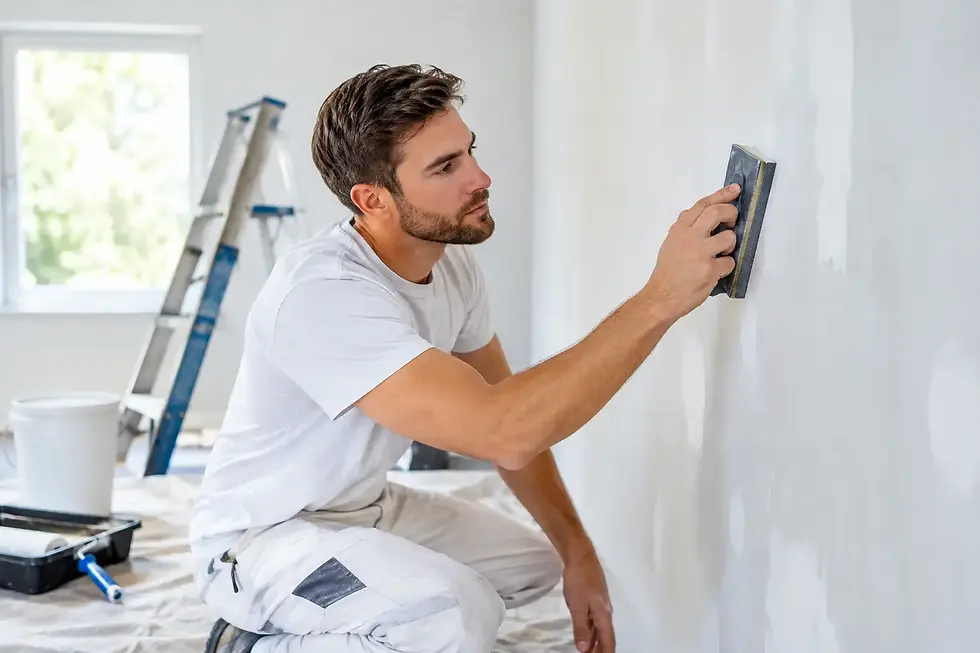
Good exterior painting is detailed work. Loose paint needs to be scraped, rough edges feather-sanded, bare areas primed, and damaged sections repaired. Glossy surfaces may need scuffing so the new coating has enough grip. Nails, cracks, and exposed end grain should be addressed before finish paint is applied.
Two finish coats are often the right approach for a consistent, durable result, particularly when changing colors or painting exposed wood and trim. Coverage should be even, but thickness matters as well. A coat that is spread too thin may not provide the protection the product is designed to deliver.
Professional application also helps control the small details that affect the finished appearance: clean cut lines, protected landscaping, covered fixtures, and paint where it belongs. Just as important, experienced painters know when a surface is not ready and when a repair should come before the coating.
Plan for Maintenance Instead of Waiting for Failure
Even the best exterior paint job benefits from regular attention. Walk around your home each spring and fall. Check caulk lines, lower trim, window sills, gutters, and areas around decks or porches. Keep shrubs and vines from pressing against siding, since trapped moisture and limited airflow can create problems.
Wash away dirt and mildew before they become heavy buildup. Make small caulk or touch-up repairs promptly, especially on exposed trim. Touch-ups may not always blend perfectly on heavily faded walls, but catching small failures early can prevent a more expensive repair from developing behind the paint.
A repaint schedule varies widely. A protected brick home may need very little attention for years, while painted wood trim facing strong weather may need service sooner. Surface material, drainage, previous preparation, color choice, and sun exposure all affect the timeline. A professional evaluation is more useful than relying on a one-size-fits-all number.
For homeowners who want an exterior that looks good and stands up to real weather, the goal is simple: repair what is failing, prepare every surface carefully, and use coatings suited to the home. At Master Painters, LLC, we treat every project as if it were our own home, because lasting protection starts with the work you do before the final coat dries.


Comments